


Understanding the psychology behind gambling behavior in casinos
The Allure of Casinos
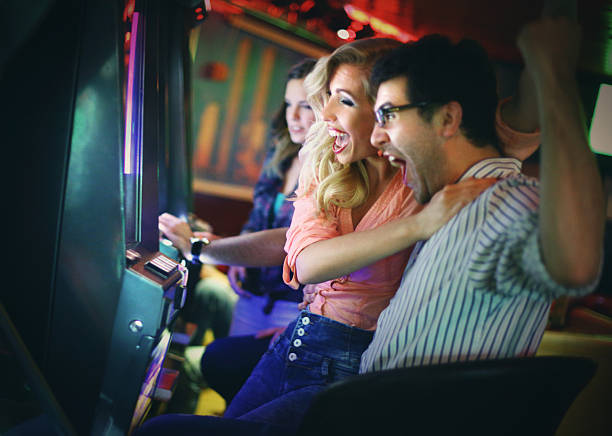
Casinos are designed to captivate and engage visitors, utilizing a combination of vibrant lights, enticing sounds, and strategic layouts. The environment fosters excitement, creating a space where players feel a rush of adrenaline as they participate in various games. This sensory stimulation plays a significant role in attracting individuals, as it can trigger a sense of euphoria and anticipation. Particularly, those looking for entertainment may discover the best us online casinos as an alternative to traditional venues.

Moreover, the psychological principle of operant conditioning comes into play. Players experience intermittent rewards, such as small wins or bonuses, which encourage them to keep playing. This unpredictability feeds into the thrill of gambling, reinforcing the behavior and making it hard to resist the temptation to return for more.
The Role of Cognitive Biases
Individuals often fall prey to cognitive biases that shape their gambling decisions. One prevalent bias is the illusion of control, where players believe they can influence the outcome of a game through skill or strategy, even in games of chance like slot machines. This false sense of agency can lead to increased gambling, as players feel empowered by their perceived abilities.
Another common bias is the gambler’s fallacy, the belief that past events can influence future outcomes. For example, a player may think that after a series of losses, a win is “due.” This misinterpretation of probabilities can lead to continued gambling, despite the odds remaining unchanged. Recognizing these biases is essential for understanding gambling behavior and the decisions players make in casinos.
The Impact of Social Dynamics
The social environment of a casino significantly influences gambling behavior. Many players enjoy the communal aspect of gambling, which can enhance the excitement and make the experience more enjoyable. Social interaction can create a sense of belonging, encouraging individuals to gamble together and share in the thrill of both wins and losses.
Additionally, peer pressure can play a crucial role. When surrounded by friends or fellow gamblers, individuals may feel compelled to participate in activities they might typically avoid. This social reinforcement can lead to increased gambling behavior, as players seek to fit in and share memorable experiences with others.
The Emotional Rollercoaster of Gambling
Gambling evokes a wide range of emotions, from exhilaration to frustration. The highs of winning can create a euphoric state, leading players to chase that feeling again. Conversely, losses can trigger feelings of despair and regret. This emotional rollercoaster can result in a cycle of behavior where players become trapped, continually seeking the next win to alleviate their losses.
Understanding the emotional aspects of gambling is crucial for addressing problematic behavior. Many players may find themselves caught in this cycle without realizing the detrimental impact it has on their lives. Recognizing and addressing these emotions can lead to healthier gambling habits and better decision-making.
Ensuring Safe Gambling Practices
As the landscape of casinos continues to evolve, it is essential to prioritize safe gambling practices. Casinos and online platforms are increasingly focusing on responsible gambling initiatives to support players in making informed decisions. Providing tools for self-assessment, setting limits, and accessing resources for help can empower individuals to enjoy gambling without falling into detrimental patterns.
Additionally, educating players about the psychological aspects of their behavior can aid in fostering a healthier relationship with gambling. By understanding the underlying motivations and emotions that drive their actions, players can better navigate their experiences in casinos, ensuring their enjoyment remains within safe boundaries.



 Miền Nam